How I Nailed My Nutrition Game Without Losing My Mind
Ever feel like eating healthy means saying goodbye to flavor and freedom? I used to be stuck in that exact loop—confused by trends, overwhelmed by choices, and tired of feeling sluggish. Then I discovered balanced nutrition isn’t about perfection. It’s about smart, simple choices that actually fit real life. This is what changed everything for me, and why you don’t need a magic diet—just better daily habits backed by real health knowledge. The journey to better eating doesn’t start with a restrictive meal plan or a juice cleanse. It begins with understanding what your body truly needs and learning how to meet those needs without sacrificing joy, convenience, or time. Over the years, I’ve seen how misinformation, fad diets, and unrealistic expectations turn something as natural as eating into a source of stress. But when you shift the focus from rules to balance, from punishment to nourishment, everything changes. This is not a story about extreme transformation. It’s about practical, sustainable improvements that add up to real results—more energy, clearer thinking, better digestion, and a stronger sense of well-being. And the best part? It’s within reach for anyone willing to make small, informed choices every day.
The Real Problem with "Healthy Eating" Hype
For many women in their 30s, 40s, and 50s, the idea of “eating healthy” often comes with a heavy side of guilt, confusion, and frustration. The wellness world bombards us with messages about detoxes, superfoods, and elimination diets that promise quick fixes but deliver long-term burnout. The truth is, most popular diets are built on restriction—cutting out entire food groups, slashing calories, or labeling foods as “good” or “bad.” While these approaches may lead to short-term weight loss, they rarely support lasting health. In fact, research consistently shows that restrictive eating patterns increase the risk of nutrient deficiencies, slow metabolism, and promote cycles of bingeing and deprivation. This yo-yo effect doesn’t just impact the body; it wears down mental resilience. Many women report feeling anxious around food, constantly second-guessing their choices, or experiencing shame after eating something deemed “off-plan.”
The emotional toll of this all-or-nothing mindset can be just as damaging as any nutritional gap. When food becomes a source of stress rather than sustenance, it disrupts digestion, sleep, and even hormone balance—critical concerns for women navigating perimenopause and beyond. Instead of fostering a healthy relationship with food, extreme diets often deepen disconnection from natural hunger and fullness cues. The result? A pattern of eating that’s dictated by external rules rather than internal wisdom. This dissonance makes it nearly impossible to sustain any eating pattern long-term. The good news is that real nourishment doesn’t require perfection. It requires consistency, variety, and flexibility. The goal isn’t to follow a rigid set of rules but to build a lifestyle where nutritious eating feels natural, enjoyable, and adaptable to daily life. By stepping away from trends and focusing on what truly supports energy, mood, and long-term vitality, women can reclaim control—not over their weight, but over their well-being.
What Nutrient Density Actually Means (And Why It Matters)
Nutrient density refers to the amount of essential vitamins, minerals, fiber, and beneficial compounds in a food relative to its calorie content. In simple terms, it’s about getting the most nutritional value from the calories you consume. A nutrient-dense diet prioritizes whole, minimally processed foods like vegetables, fruits, legumes, whole grains, lean proteins, nuts, and seeds. These foods fuel the body with the building blocks it needs to function optimally—supporting everything from immune defense to hormone regulation to cognitive clarity. Unlike processed foods high in added sugars, refined grains, and unhealthy fats, nutrient-dense options provide sustained energy without the crash. They help maintain stable blood sugar levels, reduce inflammation, and support gut health—all of which are especially important as metabolism and hormonal balance shift with age.
For women managing busy households, careers, and personal responsibilities, energy and focus are non-negotiable. Nutrient-dense eating directly supports both. Iron-rich leafy greens and legumes help prevent fatigue, while omega-3 fatty acids from fatty fish or flaxseeds support brain function. Antioxidant-packed berries and colorful vegetables protect cells from oxidative stress, a factor in aging and chronic disease. Fiber from whole grains and vegetables promotes digestive regularity and helps maintain a healthy gut microbiome, which is increasingly linked to mood and immune health. The benefits are not immediate or dramatic like a fad diet’s promised results, but they are profound over time. Women who consistently eat nutrient-dense foods often report fewer afternoon slumps, improved sleep quality, and a greater sense of physical resilience. This kind of eating isn’t about shrinking your body—it’s about strengthening it. It’s a form of self-care that pays dividends in how you feel every day, not just how you look in the mirror.
Building Your Plate: The No-Stress Formula
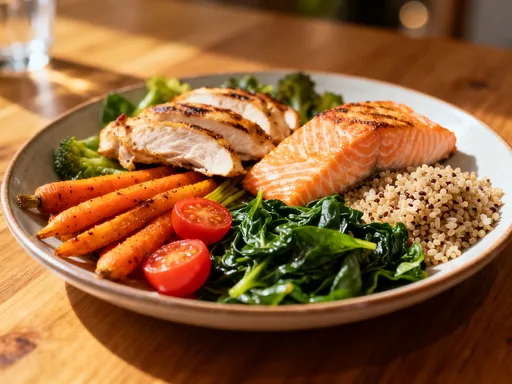
One of the most effective ways to eat nutritiously without overthinking is to use a simple, visual plate model. Imagine dividing your dinner plate into four equal sections. Fill one quarter with lean protein—options like grilled chicken, baked fish, tofu, eggs, or beans. Protein supports muscle maintenance, keeps you feeling full, and helps stabilize blood sugar. Another quarter should be dedicated to fiber-rich carbohydrates such as brown rice, quinoa, sweet potatoes, oats, or whole-wheat pasta. These complex carbs provide lasting energy and support digestive health. The remaining half of the plate should be filled with a variety of colorful vegetables—steamed broccoli, roasted carrots, sautéed spinach, or a fresh salad. The wider the color range, the broader the spectrum of phytonutrients you’re consuming. This balanced approach ensures a mix of macronutrients and micronutrients without the need for calorie counting or food tracking.
Breakfast and lunch can follow a similar logic. A bowl of oatmeal topped with berries and a spoonful of nut butter offers fiber, antioxidants, and healthy fats. A sandwich made with whole-grain bread, hummus, turkey, and plenty of vegetables delivers balanced nutrition in a convenient format. The key is consistency, not perfection. Some meals may lean heavier on carbs, others on protein or fat—and that’s perfectly fine. What matters is the overall pattern across the day and week. This method removes the pressure of “perfect” eating while still guiding choices toward nourishment. It’s flexible enough to accommodate family meals, leftovers, or last-minute changes in plans. By making nutrient balance the default, women can eat with confidence, knowing they’re supporting their bodies with every bite. Over time, this intuitive approach becomes second nature, reducing decision fatigue and making healthy eating feel effortless rather than restrictive.
Smart Swaps That Make a Difference
Improving your nutrition doesn’t require overhauling your entire kitchen or memorizing complex food rules. Often, the most impactful changes come from simple substitutions that enhance nutrient intake without sacrificing taste or satisfaction. For example, choosing whole-grain bread instead of white bread increases fiber and essential B vitamins, supporting digestion and energy metabolism. Replacing sugary breakfast cereals with plain Greek yogurt and fresh fruit cuts added sugar while boosting protein and probiotics—benefits that support gut health and appetite control. Swapping soda or sweetened iced tea for water with lemon or herbal tea reduces empty calories and supports hydration, a cornerstone of energy and skin health.
Another powerful swap is using avocado or olive oil instead of butter or margarine. These sources of monounsaturated fats support heart health and help the body absorb fat-soluble vitamins like A, D, E, and K. Choosing air-popped popcorn over packaged chips provides a satisfying crunch with far less sodium and unhealthy fats. Even small changes in cooking methods—like grilling or baking instead of frying—can significantly reduce saturated fat intake. These swaps aren’t about eliminating foods you enjoy; they’re about upgrading them. The cumulative effect of these choices is substantial. Over weeks and months, consistently choosing more nutrient-rich options leads to improved energy, better digestion, and a stronger foundation for long-term health. The beauty of this approach is that it doesn’t feel punitive. You’re not giving up flavor or comfort—you’re simply making choices that serve your body better. And because these changes are gradual and sustainable, they’re more likely to stick.
Meal Prep Made Human (Not Time-Consuming)
One of the biggest barriers to eating well is the perception that it takes too much time. Between work, family, and personal commitments, few women have hours to spend in the kitchen every day. The solution isn’t cooking elaborate meals daily—it’s planning ahead with realistic strategies that save time and reduce stress. Meal prep doesn’t have to mean portioning out seven identical lunches on Sunday. It can be as simple as roasting a large batch of vegetables, cooking a pot of quinoa or lentils, and grilling a few chicken breasts at the beginning of the week. These components can be mixed and matched into different meals—stir-fries, grain bowls, salads, or wraps—keeping things interesting without extra effort.
Another time-saving tactic is embracing “assembly-style” meals. Keep staples like canned beans, frozen vegetables, pre-washed greens, and rotisserie chicken on hand. When dinner time arrives, combine them into balanced plates in minutes. Using slow cookers or sheet pan roasting minimizes cleanup and allows for hands-off cooking. Storing meals in clear containers makes it easy to see what’s available, reducing the temptation to order takeout. The goal of meal prep is not perfection—it’s preparedness. When healthy options are visible and accessible, you’re far more likely to choose them, even on the busiest days. This approach also supports family eating, as prepped ingredients can be adapted to different tastes and preferences. By investing a few hours weekly in planning and preparation, women can protect their health without sacrificing precious time. The result is less daily decision fatigue, fewer last-minute unhealthy choices, and a greater sense of control over what they—and their families—eat.
Eating Well on the Go: Staying on Track Without Sacrificing Convenience
Life doesn’t stop for perfect meals, and that’s okay. Whether you’re traveling, dining out with friends, or grabbing a quick bite between errands, it’s possible to make nutritious choices without feeling deprived. The key is mindfulness and preparation. When eating at restaurants, scan the menu for dishes that include lean protein, vegetables, and whole grains. Look for keywords like grilled, baked, steamed, or roasted, which typically indicate healthier preparation methods. Don’t hesitate to ask for modifications—requesting dressing on the side, swapping fries for a salad, or holding the cheese can significantly improve a meal’s nutritional profile. Many chain restaurants now provide nutrition information online, allowing you to make informed choices ahead of time.
When traveling, pack healthy snacks like nuts, fruit, or protein bars to avoid relying on airport or gas station options high in sugar and sodium. Staying hydrated is equally important—carry a reusable water bottle and limit sugary drinks. Fast-casual restaurants often offer customizable bowls or salads where you can build a balanced meal with vegetables, lean protein, and healthy fats. The goal isn’t to eat perfectly while on the go but to make choices that align with your overall pattern of eating. One meal won’t derail your health, just as one salad won’t transform it. Consistency over time is what matters. By approaching eating out as an opportunity rather than a setback, women can enjoy social occasions and convenience without guilt. This flexibility is essential for long-term success, allowing for real life while still prioritizing well-being.
Long-Term Success: Making It Stick Without Burnout
Sustainable nutrition is not about short-term fixes or extreme discipline. It’s about cultivating a mindset of balance, flexibility, and self-compassion. The women who maintain healthy eating habits over years aren’t the ones who never eat dessert or never miss a workout. They’re the ones who understand that progress is not linear. There will be days when life gets in the way—family events, travel, stress, or simple fatigue. On those days, the goal isn’t to “get back on track” as if you’ve failed, but to return to your baseline with kindness and without judgment. This shift in thinking—from rigid rules to gentle guidance—is what allows healthy habits to endure.
Building resilience in your eating habits means planning for setbacks, not fearing them. Keep healthy staples at home, have backup meals ready, and practice listening to your body’s hunger and fullness signals. Celebrate small wins, like choosing water over soda or adding an extra serving of vegetables to dinner. These moments may seem minor, but they reinforce positive behaviors and build confidence over time. It’s also important to recognize that nutrition is just one part of overall well-being. Sleep, stress management, movement, and emotional health all influence how and what we eat. By addressing these areas holistically, women can create a lifestyle where healthy eating feels like a natural extension of self-care, not a chore. The goal is not perfection—it’s progress. And progress, made consistently over time, leads to real, lasting results.
The journey to better nutrition doesn’t have to be complicated, restrictive, or overwhelming. It starts with letting go of the myth that healthy eating requires drastic change and embracing the power of small, informed choices. By focusing on nutrient density, balancing meals, making smart swaps, and preparing ahead, women can build an eating pattern that supports energy, vitality, and long-term health. Flexibility, not rigidity, is the foundation of success. When food is seen as fuel and nourishment rather than a source of guilt, it becomes a source of strength. The best diet is the one you can live with—not just for a few weeks, but for the rest of your life. Start where you are, use what you have, and make choices that honor your body and your time. Real health isn’t found in trends. It’s built, day by day, in the quiet, consistent decisions that add up to a stronger, more vibrant you.