Calm in the Chaos: How I Took Back Control from Anxiety
Anxiety doesn’t have to run your life. For years, I felt overwhelmed by constant worry—until I started treating mental well-being like daily hygiene. This isn’t about quick fixes, but real, doable habits that build resilience. I tested small changes myself and saw noticeable shifts. Here’s what actually worked to manage anxiety, backed by science and lived experience. It’s not about eliminating anxiety completely; it’s about learning how to respond to it in ways that restore balance, clarity, and control. The journey began not with a dramatic revelation, but with a quiet decision: to stop seeing anxiety as an enemy and start understanding it as a signal.
The Hidden Cost of Constant Worry
Anxiety often begins quietly—just a passing thought, a fleeting unease. But when it becomes a constant companion, its effects ripple through every part of daily life. Many people dismiss their persistent worry as ordinary stress, brushing off symptoms like fatigue, difficulty concentrating, or irritability. Yet these are not just inconveniences—they are signs that the nervous system is stuck in overdrive. The body was designed to respond to threats with brief bursts of alertness, not to remain in a state of continuous tension. When anxiety lingers, it drains mental energy, disrupts focus, and makes even simple decisions feel overwhelming.
Over time, the toll extends beyond mood and cognition. Chronic anxiety interferes with sleep quality, often leading to restless nights and unrefreshing rest. Poor sleep, in turn, lowers the brain’s ability to regulate emotions, creating a cycle that worsens anxiety. Research has shown that prolonged activation of the stress response can weaken immune function, increase inflammation, and contribute to long-term health concerns such as cardiovascular strain. These effects are not exaggerated—they are measurable, and they accumulate. The danger lies not in occasional worry, but in allowing anxiety to go unmanaged for months or years.
One of the biggest barriers to addressing anxiety is the belief that it’s simply a personality trait or an inevitable part of a busy life. Many women, especially those balancing family, work, and household responsibilities, normalize constant tension as a sign of dedication. But treating anxiety as “just stress” prevents meaningful action. It keeps people from exploring solutions that could improve their quality of life. Recognizing anxiety for what it is—a manageable condition, not a character flaw—is the first step toward reclaiming calm. Once this shift happens, small, consistent habits can begin to make a real difference.
Why Anxiety Isn’t a Flaw—It’s a Signal
For many, anxiety carries a sense of shame, as if it reflects weakness or lack of control. But the truth is, anxiety is not a flaw—it is a biological alarm system designed to protect us. At its core, anxiety is the brain’s way of responding to perceived threats. When the amygdala, a small structure deep in the brain, detects danger—whether real or imagined—it triggers a cascade of physiological changes. The body releases cortisol and adrenaline, increasing heart rate, sharpening senses, and preparing muscles for action. This fight-or-flight response was essential for survival in ancestral environments, helping humans react quickly to predators or threats.
In modern life, however, the threats we face are rarely physical. Instead, they are psychological: deadlines, financial concerns, parenting challenges, or social expectations. The brain, however, does not distinguish between a looming work presentation and a charging animal. It responds the same way—by activating the stress system. The problem isn’t that the system is broken; it’s that it has become overly sensitive. For some, the alarm goes off too easily, too often, even when there is no real danger. This hypersensitivity is what turns a protective mechanism into a source of distress.
Understanding this biological basis removes blame. Anxiety is not a sign of failure; it is evidence of a system doing its job—just in the wrong context. When viewed this way, the goal shifts from trying to “get rid of” anxiety to learning how to regulate the response. Just as a smoke detector can be reset after a false alarm, the nervous system can be trained to respond more appropriately. This reframing is powerful because it replaces shame with curiosity. Instead of asking, “Why am I so anxious?” the question becomes, “What is my body trying to tell me?” From this place, effective strategies can take root.
Breathing Like You Mean It—Not Just Deeply
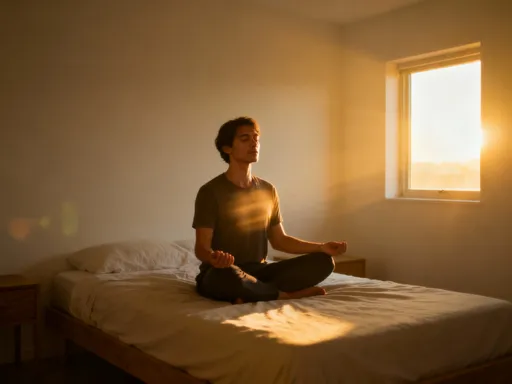
Among the most accessible tools for calming anxiety is the breath—but not just any breathing. While many people are told to “take a deep breath,” the real power lies in how the breath is structured. Diaphragmatic breathing, also known as belly breathing, engages the lower lungs and activates the parasympathetic nervous system, which is responsible for rest and recovery. More effective still is paced respiration, a technique that regulates the rhythm of inhalation, holding, and exhalation. One method that has shown consistent results is the 4-7-8 technique: inhale quietly through the nose for a count of four, hold the breath for seven, then exhale slowly and completely through the mouth for eight.
I began practicing this method daily, starting with just two rounds in the morning and two at night. Within a week, I noticed a shift. The afternoon waves of tension that used to leave me restless and unfocused became less intense. The key, I learned, is not just the depth of the breath, but the length of the exhale. Extending the out-breath stimulates the vagus nerve, a major pathway of the parasympathetic system. This sends a direct signal to the brain: “You are safe. You can relax.” Unlike quick fixes that offer momentary relief, this practice builds resilience over time. It’s not about suppressing anxiety, but about teaching the body a new response.
The beauty of this technique is its simplicity and portability. It requires no equipment, no special setting, and only a few minutes. It can be done at the kitchen counter while waiting for the kettle, in the car before entering a meeting, or lying in bed before sleep. What makes it effective is consistency. Over time, regular practice helps recalibrate the nervous system, making it less reactive to minor stressors. It becomes a quiet act of self-care, a way of saying to oneself, “I am here. I am tending to you.”
Movement That Calms Instead of Drains
When people think of exercise for mental health, they often imagine intense workouts—running, spinning, or high-intensity interval training. While these can be beneficial for some, they are not always the best choice for someone managing anxiety. For many, vigorous exercise can feel like adding more stress to an already taxed system. The goal is not to exhaust the body, but to soothe it. Gentle, rhythmic movement—such as walking, stretching, or tai chi—offers a different kind of benefit. These activities help regulate the nervous system by promoting a state of calm alertness, rather than pushing the body into further activation.
I discovered this when I replaced one of my usual gym sessions with a 20-minute walk in a nearby park. Instead of focusing on speed or distance, I paid attention to my breath, the rhythm of my steps, and the sights and sounds around me. This mindful approach made a surprising difference. The familiar mid-afternoon anxiety that used to creep in around 3 p.m. became less intense. On days I walked, I felt more grounded, less reactive to small frustrations. Research supports this experience: rhythmic, low-impact movement has been shown to reduce cortisol levels and increase endorphins in a way that supports emotional balance.
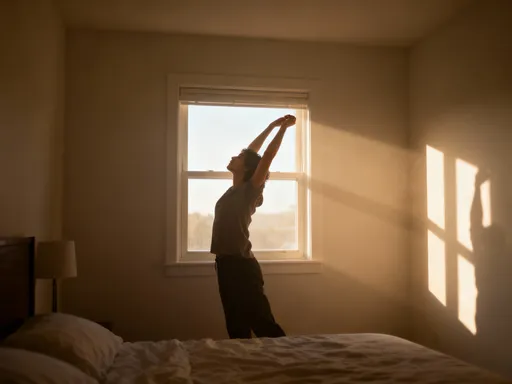
Tai chi and yoga, with their emphasis on slow, deliberate motions and breath coordination, are especially effective. These practices cultivate what scientists call “interoceptive awareness”—the ability to sense internal bodily states. This awareness helps people recognize early signs of anxiety, such as muscle tension or shallow breathing, before they escalate. Stretching, even for just ten minutes a day, can release physical tension stored in the shoulders, neck, and back—areas where stress often accumulates. The key is not intensity, but intention. Movement becomes a form of self-communication, a way of saying, “I am listening to you,” rather than “I am pushing you harder.”
The Power of Scheduled Worry Time
One of the most counterintuitive yet effective strategies I adopted was setting aside a specific time to worry. Yes, worry—on purpose. The idea of “scheduled worry time” may sound strange, but it is grounded in cognitive behavioral principles. Rumination—the repetitive, unproductive loop of anxious thoughts—often feels uncontrollable. Thoughts intrude at bedtime, during meals, or in the middle of conversations. By giving worry a designated space, typically 10 minutes each day, I was able to contain it rather than let it spill into every moment.
I chose the same time every afternoon, after the kids were settled and before dinner prep. I would sit with a notebook and allow myself to write down every anxious thought—bills, health concerns, future uncertainties. No filter, no judgment. But when the timer rang, I closed the notebook and moved on. At first, it felt artificial. But over time, something shifted. The intrusive thoughts during other parts of the day began to lose their urgency. My brain learned that worries would be heard—they just had to wait for their turn. This created a sense of control that had been missing.
The psychological mechanism behind this is containment. When worries are allowed to surface anytime, they feel urgent and overwhelming. But when they are scheduled, they become manageable. This practice does not eliminate anxiety, but it changes the relationship to it. It turns chaos into structure, reactivity into intention. It also makes it easier to recognize which worries are repetitive and which, if any, require actual problem-solving. Over time, I found that many of the thoughts I wrote down were the same ones from the day before—unchanged, unproductive, and no longer worth my energy.
Sleep, Routine, and the Anxiety Feedback Loop
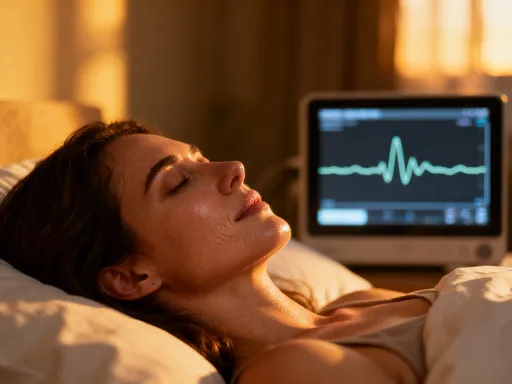
Sleep and anxiety share a bidirectional relationship: poor sleep fuels anxiety, and anxiety disrupts sleep. It’s a feedback loop that can be difficult to break. Many women in their 30s to 50s report lying awake at night, minds racing with unfinished tasks or unresolved concerns. The more they try to force sleep, the more elusive it becomes. This isn’t just a matter of tiredness—it affects emotional regulation, cognitive clarity, and physical health. Chronic sleep disruption has been linked to increased anxiety sensitivity, meaning the body becomes more reactive to even minor stressors.
Breaking this cycle starts with routine. The brain thrives on predictability, especially when it comes to sleep. Going to bed and waking up at roughly the same time every day—even on weekends—helps stabilize the circadian rhythm. This internal clock influences not only sleep but also hormone release, body temperature, and mood. I began setting a consistent bedtime, even if I didn’t feel tired, and created a wind-down ritual: dimming the lights, turning off screens an hour before bed, and reading a book or listening to soft music. These small changes signaled to my body that it was time to shift into rest mode.
Screen reduction was one of the most impactful adjustments. The blue light emitted by phones, tablets, and TVs suppresses melatonin, the hormone that promotes sleep. Replacing late-night scrolling with a warm cup of caffeine-free tea and quiet conversation made a noticeable difference. Over several weeks, I fell asleep faster and woke up feeling more refreshed. As sleep improved, so did my daytime anxiety. I was less reactive, more patient, and better able to handle unexpected changes. This reinforced the importance of viewing sleep not as a luxury, but as a foundational pillar of mental well-being.
Building a Personal Maintenance Plan
Managing anxiety is not about finding one perfect solution, but about creating a personalized set of practices that work together. Just as brushing your teeth prevents cavities, daily mental hygiene prevents anxiety from taking root. I found the most success when I combined two or three of the strategies I had tested: diaphragmatic breathing in the morning, a short walk in the afternoon, and scheduled worry time before dinner. These were not rigid rules, but flexible habits I could adjust based on my energy and stress levels.
Tracking small wins helped me stay consistent. I didn’t need dramatic changes to feel progress. Noticing that I fell asleep 20 minutes faster, or that I didn’t feel the usual afternoon panic before a meeting, was enough to reinforce the value of the habits. Some days were harder than others, and that was okay. The goal was not perfection, but presence. On high-stress days, I scaled back—five minutes of breathing instead of ten, a five-minute stretch instead of a walk. The key was showing up, even in a small way.
Over time, these practices became less about managing anxiety and more about nurturing resilience. I began to see self-care not as an indulgence, but as a responsibility—to myself and to those who depend on me. Just as I would never skip grocery shopping or laundry, I no longer skip my mental maintenance. It’s not glamorous, but it’s essential. And unlike a one-time fix, it requires ongoing attention. The habits that support calm are not tools for crisis; they are practices for living well, every day.
Calm is not a destination you reach and stay in forever. It is a practice, cultivated through small, consistent choices. Anxiety may never disappear completely, and that’s not the goal. The real victory is in learning how to move through it with greater awareness, kindness, and control. By treating mental well-being as a daily priority, not an emergency response, it becomes possible to live with more ease, even in the midst of life’s inevitable challenges. The journey is personal, but the truth is universal: you don’t have to wait for peace. You can begin building it today, one breath, one step, one moment at a time.